







24/08/2026
Delays happen. A skip turns up late, a builder overruns, a landlord changes the move-out timing,...
Rubbish Clearance Earls Court provides rubbish clearance in Earls Court for homes, flats, landlords and businesses that need unwanted items removed in an organised, lawful way. Our work covers everyday household waste, bulky items, office and commercial clearances, and property-based jobs where access, loading and sorting all need a tidy approach. If you are comparing options, start with our services overview to see how the different clearance types are grouped.
We focus on practical waste removal rather than disruption, helping customers clear spaces without leaving piles to sort out afterwards. That can include single-item disposal, mixed loads, partial room clearances or larger removals that need careful handling around stairs, shared entrances or limited parking. For a fuller picture of how jobs are prepared and handled, our about us page explains the service approach in more detail.
If you are ready to move things forward, a brief enquiry is the easiest next step. Tell us what needs removing, where it is located and when you would like it collected, then ask for a quotation.
Home clearances often involve more than one type of waste, so the service needs to stay flexible. We handle furniture, general clutter, bags of mixed rubbish and items left behind after reorganising a room or preparing for a move. For smaller domestic jobs, our domestic waste collection page covers the kind of routine household removal that suits repeat clean-outs or one-off clearances.
When the job includes sofas, wardrobes, tables or beds, the removal process has to account for weight, width, turning space and the condition of the item itself. Our furniture removal service is designed for bulky pieces that are awkward to carry or no longer needed, while still keeping the work straightforward for the customer. If you want to clear space quickly and sensibly, it helps to choose the right category for the items involved.
Useful domestic clearances are usually the ones where the scope is clear from the start. A short list of what needs to go, a note about whether items are indoors or outside, and an indication of access can make the quotation process easier to follow. Accurate descriptions save time and help make sure the right vehicle and loading plan are used.
Some clearance work is less about volume and more about handling a few difficult items safely. Fridges, freezers, washing machines, cookers and similar appliances need proper removal arrangements, especially where there are tight corridors, steps or shared hallways. Our white goods and appliance disposal page is the best place to look if your main concern is how those larger items are taken away.
White goods can also raise sorting questions because some parts are reusable, some are recyclable and some require separate disposal handling. The same applies to broken or outdated equipment that has been replaced during a kitchen refresh or property changeover. We aim to keep the process clear so you know what is being removed and how the job is being approached, rather than leaving the details vague. That clarity matters when the item is heavy, awkward or connected to a wider room clearance.
For these jobs, the most useful customer information is usually very simple: what the item is, whether it is disconnected, and whether there are access restrictions. If you are unsure whether something counts as a standard bulky item or a specialist appliance disposal, a short description is enough to begin. You can then ask for a quotation based on the actual load rather than a guess.
Building work creates a different kind of clearance need because the waste is often heavier, dustier and more mixed than ordinary household rubbish. We handle builders waste removal for renovation offcuts, packaging, broken fittings and other post-job debris that needs collecting and taking away without slowing the project down. For more details on that service category, see our builders waste removal page.
Commercial and domestic improvements alike can leave plasterboard, timber, tiles, old fixtures and general waste in one pile, so the removal plan has to be practical. A good clearance service looks at load type, access, safety and whether the materials are mixed or separated enough to manage efficiently. Where appropriate, our insurance and safety information explains the precautions that sit behind this kind of work.
Project waste is easier to manage when it is gathered in one place before collection. If items are spread between rooms, courtyards or upper floors, mention that in your enquiry so the quotation reflects the work involved. For larger schemes, a clear description of the materials can make the difference between an accurate estimate and a vague one.
Businesses need rubbish clearance that is discreet, orderly and suitable for premises that cannot afford unnecessary disruption. We remove general commercial waste, unwanted office items and mixed rubbish from shops, workspaces and service areas where stored clutter is getting in the way of day-to-day operations. If you are arranging a business clearance, our commercial waste removal page is the place to begin.
Office and shop clearances often include desks, chairs, shelving, packaging and outdated stock or fixtures, all of which may need different handling. The practical question is not only what is being removed, but how it is arranged in the building and whether access is easy enough for a clean collection. A well-planned removal keeps the focus on the premises being handed back, reset or repurposed rather than on the waste itself. If you need to request a quotation for business clearance, it helps to set out the type of waste and the size of the job clearly.
The most helpful information is usually a short inventory, the floor level, any loading restrictions and whether the clearance needs to be completed at a specific time. That allows the job to be considered properly before collection. It also helps avoid confusion where mixed waste and reusable items are sitting together in the same space.
House clearance work is often required after a move, a refurbishment or when a property has accumulated a mixture of furniture, household goods and general rubbish that needs taking out in one organised visit. We approach these jobs with an eye on sorting, lifting and leaving the rooms ready for the next stage rather than simply shifting everything into a pile. You can read more on our house clearance page.
Clearances of this kind may involve multiple rooms, loft spaces, cupboards, sheds or storage areas, and the right approach depends on what is actually there. Some properties contain a few bulky items and bags, while others need a fuller removal of accumulated contents. If you are comparing options, the distinction between a partial clear-out and a full house clearance is worth setting out from the start so the scope stays accurate.
Before asking for a price, it is useful to note whether the property is occupied, empty or being prepared for access by another party. That does not require a long explanation, just enough context to help match the right kind of collection. A straightforward description of the rooms involved and the main items present is often enough to begin.
Earls Court is an area of west London in the Royal Borough of Kensington and Chelsea, with parts extending into the adjacent London Borough of Hammersmith and Fulham. The name is most closely associated with the former Earls Court Exhibition Centre, a major exhibition venue that opened in 1937 and was demolished after its closure in 2014, but the district’s character reaches well beyond that single landmark. Earls Court Road remains one of the most recognisable through-routes, linking the neighbourhood to Kensington and West Brompton, while the surrounding streets show a mix of late Victorian and Edwardian mansion blocks, terraced houses and converted buildings. The area sits within the wider urban pattern of inner west London, where railway lines, busy road corridors and residential squares sit close together. West Brompton station, Earl’s Court station and nearby Overground and Underground connections have long shaped how the district is experienced, making the area feel both local and well connected. Cultural life has included theatres, hotels and nightlife, while nearby green spaces such as Brompton Cemetery and smaller garden squares give the neighbourhood pockets of calm among the denser streets. The result is a place with a layered identity: historically linked to large-scale events and transport, yet also known for its everyday residential character, local shops and steady flow of visitors moving through to other parts of the city.
Clearance pricing is usually shaped by the type of waste, how much there is, how heavy or awkward the items are and what access looks like on the day. A job involving a straightforward ground-floor collection is different from one that needs extra carrying, sorting or handling through narrow shared spaces. Our pricing and quotes page explains the general factors that influence a quotation, so you can judge whether a job is likely to be simple or more involved.
It is also sensible to consider the kind of waste before you enquire. Mixed household items, furniture, appliance disposal and builders waste are all handled differently, and the more clearly they are described, the easier it is to produce a sensible estimate. If you want a smooth start, mention the location, the access, the approximate quantity and any particularly heavy items. That gives the quotation a proper basis without turning the process into a long back-and-forth.
For the next step, keep your message brief but specific and ask for a quotation. If you already know the main items, list them in plain language. If not, a short description of the space and what needs clearing is still enough to begin. Contact us when you are ready to arrange the work or ask for a price.
Responsible rubbish clearance is not only about taking waste away; it is also about understanding what should be reused, recycled or disposed of through the proper channels. We keep that responsibility in view across different job types, from home rubbish and furniture to commercial and builders waste. For customers who want to know more about this side of the service, our recycling and sustainability page gives a clear overview of the principles involved.
Compliance matters just as much as practical removal because waste handling has rules attached to it. That includes how loads are managed, what kinds of material are accepted and how items are moved away from a property without leaving the customer with an unfinished mess. Our waste carrier licence and compliance page sets out the relevant standards and helps explain why lawful disposal is part of the service, not an afterthought.
When customers are choosing between clearance options, this is often the deciding point: not just who can remove the items, but who can do so in a way that respects the type of waste involved. That is particularly important for mixed loads where one collection may contain reusable materials alongside general rubbish. A careful approach helps keep the service practical and properly ordered.
A well-prepared enquiry does not need to be long. The most helpful details are usually the type of waste, the quantity, the floor level or access route, and whether the clearance includes bulky or heavy items. If possible, grouping the items by room or by type makes it easier to describe what is there. That is especially useful when the load includes mixed household rubbish, furniture and appliances together.
Customers often find it useful to think in terms of the outcome they want. Some want a single item removed, some need a room cleared, and others need a larger property or worksite tidied up. Keeping that goal clear helps shape the quotation and reduces the chance of missing something important. If you are unsure which service page is the best fit, the main thing is to describe the items honestly and plainly. Then ask for a quotation and let the scope be assessed properly.
For background on how we handle payment and security matters, you can also view our payment and security page. When you are ready to arrange your rubbish clearance in Earls Court, send the details through and ask for a quotation.
Rubbish clearance in Earls Court for homes, landlords and businesses, with practical removal services, clear pricing information and a straightforward way to request a quotation.
Delays happen. A skip turns up late, a builder overruns, a landlord changes the move-out timing,...

If you have ever helped clear up after a packed night at Olympia London or around Earls Court,...

If your garden in Earls Court has got a little out of hand, you are not alone.
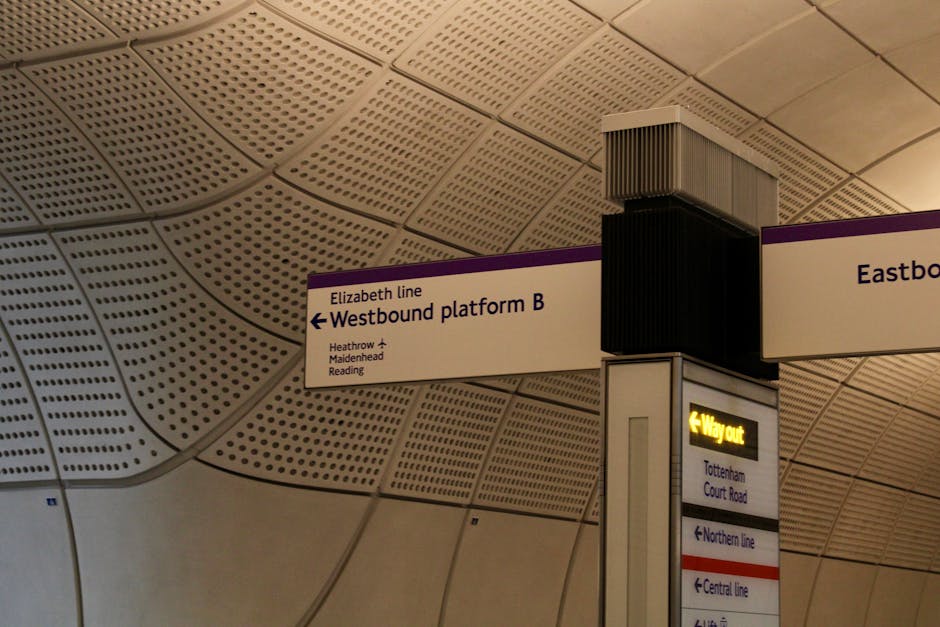
If you are searching for rubbish removal near Earls Court Station, you probably want two things:...

Nestled in the borough of Kensington and Chelsea, Earl's Court is a tranquil enclave that offers...

Earls Court, known for its vibrant culture and social life, provides a variety of venues to...

When it comes to buying real estate in London, Earls Court is an area that consistently stands out.

Looking for a place to live in London can be overwhelming, given the city's extensive and unique...

London, one of the most iconic cities in the world, is known for its stunning architecture, rich...

Earls Court, situated in the heart of London, has long been a prime location for real estate,...

 (85)
(85)
Please fill out the form below to send us an email and we will get back to you as soon as possible.