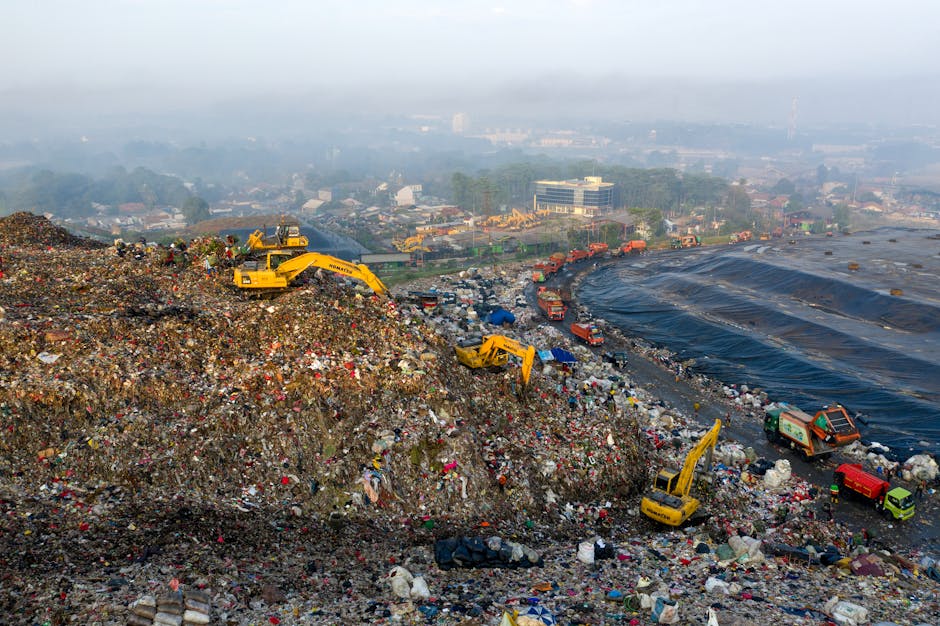
Event rubbish clearance Olympia London Earls Court tip
Posted on 07/08/2026

Event rubbish clearance Olympia London Earls Court tip: a practical guide for smooth, tidy, compliant post-event clean-ups
If you have ever helped clear up after a packed night at Olympia London or around Earls Court, you will know the feeling: bags stacking up, cardboard everywhere, half-used decorations, bottles, food waste, and a venue that suddenly looks like it has had a very long day. Event rubbish clearance Olympia London Earls Court tip is really about turning that chaos into a calm, organised exit plan. Do it well and the whole operation feels easy. Do it badly and, well, you are still sweeping at midnight while everyone else has gone home.
This guide walks through how event waste clearance works in the Olympia London and Earls Court area, what to plan for, what to avoid, and how to keep everything safe, tidy, and compliant. It is written for event organisers, venue teams, exhibitors, promoters, caterers, and anyone who wants the mess gone without drama.
Why Event rubbish clearance Olympia London Earls Court tip Matters
Events create waste fast. That part is obvious. What is less obvious is how quickly that waste becomes a problem for operations, neighbours, venue access, and reputation. Around Olympia London and Earls Court, the pressure is often higher than people expect because the area has busy roads, tight service access, and time-sensitive venue schedules. If clearance is slow, the whole site can feel cluttered and, frankly, a bit exhausted.
The practical reason this matters is simple: a clean-down is part of the event itself, not an afterthought. A conference, trade show, launch event, private party, or pop-up activation all leave behind different waste streams. Some are obvious, like drinks cups and packaging. Others are easy to miss, like cable ties, broken display boards, cable offcuts, back-of-house food waste, and mixed materials from signage or build-outs.
A sensible event rubbish clearance Olympia London Earls Court tip is to plan for the waste before the doors even open. That means separating waste types, knowing where collection vehicles can stop, and deciding who is responsible for the final sweep. If you are also handling a wider site move or post-event reset, it may help to look at our services overview to understand how different clearance needs can be handled together.
There is also a reputational side. Visitors notice messy loading bays, overflowing bags, and leftover debris outside the venue. In a prominent area like Earls Court, that can reflect badly on the organiser, the supplier, and the venue. To be fair, nobody remembers the bins when everything is spotless. They only notice them when things go wrong.
How Event rubbish clearance Olympia London Earls Court tip Works
Event clearance usually works in stages. First comes assessment, then waste segregation, then collection, and finally transport and disposal or recycling. For larger jobs, there may also be a pre-event drop-off of bins or sacks, especially where a venue expects a steady flow of waste through the day rather than one big end-of-night clear-out.
At Olympia London, or in nearby Earls Court event spaces, access is a major factor. Clearance teams often need to work around loading restrictions, lift schedules, security procedures, and the realities of crowded streets. It is rarely a simple case of "just pop a van outside and load up". The best results come from small, organised decisions made early. A bit dull maybe, but very effective.
In practice, the process may include:
- an estimate of volume and waste types
- a collection plan matched to venue access times
- segregation of recyclable and non-recyclable material
- safe handling of bulky items such as stands, tables, packaging, and furniture
- removal of general waste, cardboard, mixed recyclables, and any special items that can be accepted
- transfer to licensed facilities for further sorting, recycling, or disposal
If your event involves furniture, staging, or temporary set pieces, it often helps to pair the job with a dedicated furniture clearance approach. In that case, our furniture removal service can be a useful fit alongside event cleanup work.
For venues that host conferences, exhibitions, or business functions, there is also a crossover with commercial waste needs. That is where a more structured collection model can help, and our commercial waste removal in Earls Court page may be worth a look if you are dealing with ongoing venue operations rather than a one-off job.
Key Benefits and Practical Advantages
The biggest benefit is speed. Event waste builds up quickly, and the sooner it goes, the easier the whole site feels. A good clearance plan saves staff time, reduces clutter, and helps you hand the venue back in better shape. That sounds obvious, but event teams often underestimate the final hour. That hour can be messy.
Another major advantage is safety. Leftover packaging, broken materials, cable ties, spilled drinks, and stacked bags create trip hazards. In busy post-event conditions, people are tired and moving fast. The last thing you need is a preventable accident while people are packing down.
There is also the compliance angle. Responsible waste handling matters in London, especially when multiple suppliers, subcontractors, and temporary staff all touch the same waste stream. A clear plan makes it easier to keep records, stay organised, and avoid mixed waste being left in the wrong place.
Other practical benefits include:
- Better recycling outcomes because waste is separated earlier
- Less disruption to venue staff, cleaning teams, and security
- Cleaner final handover to the venue or next booking
- More predictable costs when the scope is clear from the start
- Less stress on event day, which is worth more than people admit
If sustainability matters to your brand or venue, you will probably also want to think about how much material can be reused, separated, or recycled. Our recycling and sustainability approach explains the kind of mindset that helps reduce avoidable landfill use.
Who This Is For and When It Makes Sense
This type of clearance is useful for a surprisingly wide range of people. It is not just for big exhibitions. Smaller events often create awkward waste too, especially when the venue is short on storage or the turnaround is tight.
It tends to make sense for:
- trade show organisers
- exhibition stand builders and contractors
- conference and seminar teams
- brand activation and experiential marketing agencies
- private party hosts using hired space near Earls Court
- caterers dealing with mixed food and packaging waste
- venue managers needing a fast same-day or next-day reset
- fit-out teams removing temporary structures after an event
A small birthday event and a multi-day exhibition are not the same thing, obviously, but both can leave behind waste that needs proper handling. If your event includes a more domestic side, such as private catering or a house-based pre-event setup, a domestic collection model may fit better. You can see how that differs on our domestic waste collection page.
And if the event is tied to a property move, launch, or viewing day in the area, it may sit alongside other local planning. There is a useful local read on selling property in Earls Court if you are juggling multiple deadlines at once. Life has a habit of doing that.
Step-by-Step Guidance
Here is a practical way to approach event rubbish clearance without overcomplicating it.
- Estimate the waste in advance. Think in bins, bags, bulky items, pallets, cardboard stacks, and any food waste. A rough estimate is much better than guessing on the day.
- Identify waste types. General waste, recyclables, cardboard, food waste, wood, metal, and bulky items should be considered separately where possible.
- Check venue access. Loading bays, lift times, security checks, and road restrictions can shape the schedule more than you expect.
- Assign responsibility. Decide who is overseeing waste segregation, who signs off the load, and who points the clearance team to the right collection point.
- Set a collection window. For events near Olympia London, a clear time window matters because traffic and venue turnover can be tight.
- Prepare the waste area. Put sacks, cages, and stacks in one reachable place so the team is not wandering about looking for the last box of broken signage.
- Separate reusable items. Some displays, furniture, or materials can be retained, donated, or reused rather than thrown away. Easy win.
- Remove high-risk items first. Broken glass, sharp materials, and wet or heavy bags should not sit around until the end.
- Confirm the handover. Make sure the site is checked before the event team leaves, especially if you are working to a venue deadline.
If the event is more build-focused than guest-focused, it may help to compare it with a builders' clear-down. Our builders waste removal in Earls Court page can help you think about packaging, timber, plasterboard offcuts, and mixed site debris in a more structured way.
For older furniture, staging, or leftover set pieces, you may also want to use a broader house clearance service in Earls Court if the removal spans a whole property or multiple rooms. Not every event clean-up fits neatly into one box.
Expert Tips for Better Results
A few small decisions can make the difference between a smooth clearance and a frustrating one. In our experience, the best event teams are the ones who treat waste as part of the production plan, not something to sort out later.
1. Use one waste lead per event. If too many people are making decisions, the waste stream gets messy very quickly. One point of contact keeps things calm.
2. Keep recyclable cardboard dry. A wet cardboard pile is heavier, messier, and harder to recover properly. Also, it looks dreadful. You will know the smell if you have ever dealt with it.
3. Mark bulky items early. If furniture, display boards, or appliances are going, tag them before the event ends. That avoids arguments later over what stays and what goes.
4. Build a buffer into the schedule. Events always run a bit late. Always. Give yourself extra time for final waste sorting, especially if you are in a tight loading zone.
5. Separate food waste from mixed rubbish. It reduces contamination and makes the final load easier to manage.
6. Think about safety first, speed second. Fast removal is useful, but not if it means rushed lifting, blocked exits, or bags piled across walkways.
If you are handling anything fragile or awkward, our insurance and safety information is a good reminder of why careful handling matters. It is not the glamorous part of events, but it is the part that protects people.
And if your event involves drinks packaging, bottles, cans, or mixed plastics, it can help to plan the recycling stream in advance. We cover a bit more on that topic in plastic bottle recycling and reducing pollution in London.

Common Mistakes to Avoid
Most event waste problems come from a small number of avoidable mistakes. Nothing dramatic. Just poor planning, usually on a hectic day.
- Leaving the clean-up until after guests have gone without a clear plan for bags, loading, and access.
- Mixing every waste type together, which makes recycling harder and can increase disposal costs.
- Underestimating bulky waste such as furniture, pallets, signage frames, or display materials.
- Assuming the venue will handle everything without confirming what is actually included.
- Forgetting about access restrictions around Olympia London and Earls Court, especially during busy periods.
- Not checking carrier credentials when booking a third-party clearance provider.
- Letting waste sit too long, which invites smells, spills, and general annoyance. No one enjoys that last part.
A useful habit is to do a final "eyes-on" sweep of the space before you sign off. Look under tables, behind staging, and near exits. It is amazing what gets missed when everyone is tired and just wants a cup of tea.
Tools, Resources and Recommendations
You do not need fancy equipment to manage event rubbish well, but a few simple tools make the job much smoother.
| Tool or resource | Why it helps | Best used for |
|---|---|---|
| Colour-coded waste sacks or bins | Makes sorting faster and reduces contamination | Large events, trade shows, catering zones |
| Clear labels and signage | Helps staff and contractors place waste correctly | Back-of-house areas, temporary event spaces |
| Heavy-duty gloves and hand protection | Improves safety when dealing with sharp or rough materials | Breakdown and final sweep stages |
| Checklists for the event lead | Stops key steps being forgotten under pressure | Multi-supplier events, same-day turnarounds |
| Dedicated clearance booking | Keeps disposal organised and avoids last-minute scrambling | Busy venues, bulky clear-outs, recurring events |
For local organisers, it also helps to understand the broader area and how event spaces fit into it. If you want a bit more local context, the piece on Earls Court party venue highlights is a useful companion read, especially if you are planning private functions.
For a ground-level sense of the neighbourhood and how busy it can feel around event times, see what to expect from rubbish removal near Earls Court Station. That kind of context is handy when timing collections.
Law, Compliance, Standards, or Best Practice
Waste clearance in the UK is an area where best practice really matters. You do not need to become a compliance specialist, but you do need to know enough to ask the right questions. The key point is to use a legitimate waste carrier and make sure waste is passed on responsibly.
For event organisers, that means checking that the company handling the rubbish is properly licensed and compliant. It also means being careful with mixed waste, electrical items, and anything that may need specialist treatment. If you are dealing with appliances or electrical equipment after an event, the handling route can differ from general rubbish. A relevant overview is our waste carrier licence and compliance information.
Best practice also includes:
- keeping waste separate where practical
- avoiding fly-tipping risks by using proper channels only
- making sure your team knows what can and cannot go in the load
- handling sharp, heavy, or awkward waste safely
- choosing a provider that can explain its process clearly without jargon
If payments are part of the booking process, make sure the method is secure and clearly explained. Our payment and security information explains the sort of reassurance many organisers look for before confirming a collection.
And if you are reviewing suppliers or wanting to understand how a business operates behind the scenes, there is also our about us page, which gives a better feel for the company values and working approach.
Options, Methods, or Comparison Table
There is more than one way to handle event rubbish. The right method depends on the size of the event, the type of waste, and the time available. Here is a straightforward comparison.
| Method | Best for | Pros | Trade-offs |
|---|---|---|---|
| In-house clean-up only | Very small events with light waste | Simple, quick to arrange, low overhead | Can be slow, tiring, and hard to scale |
| Venue-led clearance | Events where the venue handles part of the reset | Convenient and often familiar with the site | May not cover bulky items or specialist waste |
| Dedicated event clearance | Trade shows, launches, parties, and fast turnarounds | More controlled, faster, usually more reliable | Needs upfront planning and a clear brief |
| Ongoing commercial collection | Venues or organisers with repeat waste output | Predictable, systematic, easier for regular use | Less flexible for one-off spikes |
For a lot of organisers, the best answer is a mix. For example, a venue may manage front-of-house bags, while a clearance team handles bulky build materials and final collection. That division keeps staff focused and avoids bottlenecks.
If your event is part of a wider fit-out or refurbishment, our builders waste removal and white goods and appliance disposal pages may also help you compare the right route for mixed clearances.
Case Study or Real-World Example
Imagine a two-day product showcase near Olympia London with a build team, catering staff, and a small VIP evening event. By the end of day two, the space contains cardboard boxes, vinyl banners, sample packaging, catering waste, damaged display material, and a few pieces of lightweight furniture that will not be reused.
The organiser sets one person as the waste lead, labels the reusable display items before the event starts, and separates cardboard from general waste through the second afternoon. A clearance slot is booked for a narrow service window after the final guest leaves. The team clears the bulky items first, then the sacks, then checks corners and storage areas for leftovers.
The result is not glamorous, but it is effective. The venue is handed back on time, the reusable materials are kept out of the rubbish stream, and the organiser avoids a rushed scramble at the end. That is usually how the best jobs go. Quiet, methodical, slightly boring. Which is exactly what you want from waste removal.
For a more everyday local example, think of a private party where decorations, drinks packaging, catering leftovers, and a few unwanted chairs need clearing before the next morning. The same principles still apply: separate what you can, remove fragile waste first, and leave the final space check until the end.
Practical Checklist
Use this before the event, during pack-down, and just before handover.
- Confirm the event finish time and collection window
- Identify the waste lead and on-site contact
- Separate general waste, cardboard, recyclables, food waste, and bulky items
- Check loading access, lift use, and any venue rules
- Keep heavy and sharp items aside for safe handling
- Label reusable furniture, displays, or equipment early
- Keep dry cardboard dry, if at all possible
- Make sure the clearance provider is legitimate and compliant
- Ask how the waste will be sorted, reused, recycled, or disposed of
- Do a final room-by-room or zone-by-zone sweep
- Photograph the cleared area if the venue requires evidence of handover
If you want a broader view of how different rubbish jobs are handled in the district, the local reading on Earls Court as a tranquil London enclave gives useful background on the area's character and pace. That sounds a bit airy, but the local context genuinely helps with planning.
Get a free quote today and see how much you can save.
Conclusion
Event rubbish clearance Olympia London Earls Court tip is not really about rubbish alone. It is about planning, timing, safety, and making the final part of an event feel controlled rather than chaotic. The best clear-downs are the ones nobody remembers because everything just worked. Bags were in the right place. The load went out on time. The venue looked good. Everyone went home.
If you are organising an event near Olympia London or anywhere around Earls Court, the smartest move is to think about waste before the first guest arrives. It saves time, reduces stress, and keeps the whole experience more professional. And honestly, after a long event day, a clean floor and an empty loading bay can feel like a small miracle.
One last thing: if the job feels bigger than your team can comfortably manage, that is usually a sign to bring in help early, not late. That little bit of foresight goes a long way.