Rubbish removal near Earls Court Station what to expect
Posted on 30/06/2026
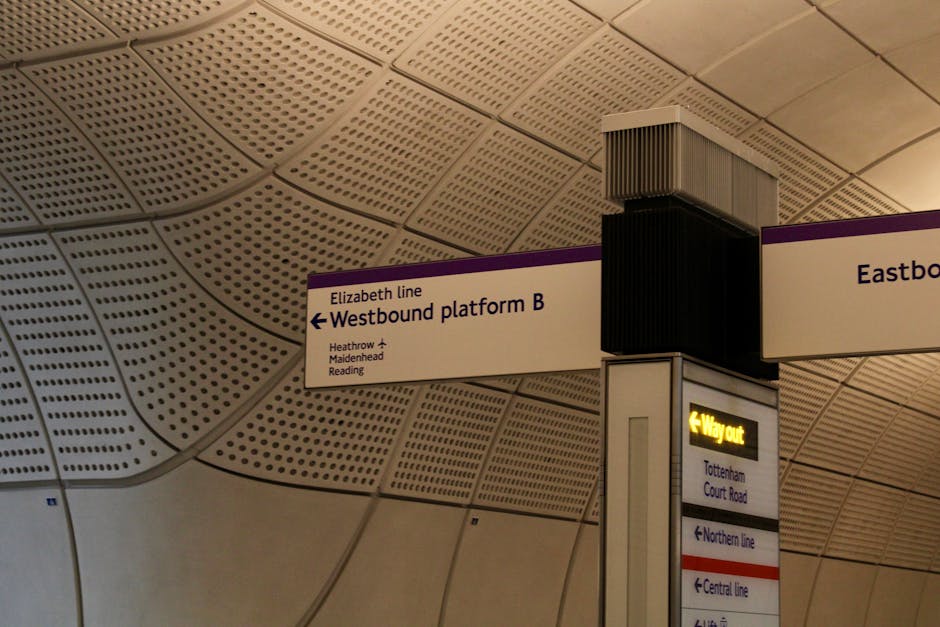
If you are searching for rubbish removal near Earls Court Station, you probably want two things: a straightforward process and no unpleasant surprises. Fair enough. Whether you are clearing out a flat, dealing with bulky furniture, or tidying up after a renovation, Rubbish removal near Earls Court Station what to expect comes down to how the service is booked, what can be collected, how access is handled, and what happens to the waste afterwards.
Earls Court is a busy part of London, with a mix of mansion blocks, converted flats, mews properties, short-let turnovers, and commercial spaces. That mix changes the job quite a bit. A good clearance team should understand narrow stairwells, controlled parking, shared entrances, time pressures, and the need to work neatly. In this guide, we will walk through the full process in plain English so you can plan with confidence - and avoid the classic headaches that catch people out.
Why rubbish removal near Earls Court Station matters
Rubbish removal is not just about getting rid of stuff. In an area like Earls Court, it is also about timing, access, safety, and keeping disruption down for neighbours and building managers. You will notice that many homes and businesses here sit close to busy roads, basement entrances, communal hallways, or limited loading areas. That means the service needs to be planned well, not just done quickly.
When people leave waste too long, the problem tends to snowball. Boxes stack up, old chairs become obstacles, and one bag turns into six. Before you know it, the space feels smaller, dustier, and more stressful. A good rubbish removal service helps reset the room, which can be especially useful before a sale, tenancy change, refit, or family move. If you are also preparing a property for market, the article on selling property in Earls Court is a useful companion read.
There is also the trust factor. You want to know the waste is handled properly, the crew is insured, and the company is operating within the right standards. That is not fussiness. It is just sensible. In a city like London, a tidy clearance job can save time, reduce stress, and avoid those awkward moments where clutter blocks a hallway and everyone pretends not to notice it.
How rubbish removal near Earls Court Station what to expect works
The process is usually simple, but there are a few details worth understanding before you book. Most rubbish removal jobs follow the same general pattern: you explain what needs to go, the company assesses the load, a price is given, and the waste is collected at an agreed time. The real difference lies in how accurate the estimate is and how smoothly the collection happens on the day.
For small loads, the team may be able to quote quickly from your description or photos. For larger clearances, especially where there are bulky items or mixed waste, they may need a more detailed assessment. If you want a clearer picture of how transparent pricing is usually handled, it helps to review the company's pricing and quotes guidance before you commit.
On the day, expect the crew to arrive within the agreed window, check access, confirm the load, and then start removing items. In a compact Earls Court property, that might mean careful carrying through tight staircases. In a commercial setting, it may mean coordinating around staff, customers, or site traffic. The better the preparation, the quicker the job tends to go. Simple, really.
After collection, responsible operators sort recyclable material, reusable items, and general waste for onward treatment. If you care about where your rubbish ends up - and most people do once they think about it - look for a business that explains its approach to recycling and sustainability in practical terms, not vague marketing language.
Key benefits and practical advantages
The biggest benefit is obvious: you get your space back. But there is more to it than that. Professional clearance can reduce physical strain, save multiple trips to a recycling centre, and avoid the awkward logistics of hiring and loading a skip when street space is tight.
Here are the advantages people usually notice first:
- Speed: A good crew can clear bulky waste far faster than a DIY approach.
- Convenience: No need to lift heavy items into a vehicle yourself.
- Local know-how: Earls Court access and parking realities are handled more smoothly.
- Cleaner finish: The area is left neater, which matters in shared buildings.
- Better sorting: Recyclable and reusable items can often be separated more effectively.
There is also a mental benefit that people do not talk about enough. Once the clutter is gone, the room feels calmer. You can think more clearly, measure properly, and actually use the space again. It sounds a bit dramatic, maybe, but anyone who has lived with a pile of unwanted furniture by the window for three weeks knows what I mean.
For landlords, agents, and sellers, a tidy property can make viewings easier and create a better first impression. For trades and renovators, it keeps the site safer. For households, it can make a stressful week feel manageable again. That is the real value.
Who this is for and when it makes sense
This service suits a wide range of people around Earls Court Station. Some are dealing with one-off bulky items. Others need a full clear-out. A few are in the middle of a deadline and simply do not have the time or energy to do it themselves. Let's face it, modern London living does not leave much room for dragging a wardrobe down four flights of stairs on a Sunday afternoon.
Typical situations include:
- Tenants clearing out before a move
- Landlords preparing a flat for new occupants
- Homeowners disposing of old furniture or appliances
- Tradespeople removing builders' waste after a project
- Shops, offices, and hospitality venues clearing surplus stock or fittings
- Families dealing with house clearance after downsizing or a change in circumstances
If your job is mainly domestic, a dedicated domestic waste collection service in Earls Court may be the best fit. If you are clearing a property in multiple rooms or dealing with inherited contents, a house clearance in Earls Court usually makes more sense. For workplace or shopfront waste, the needs are different again, and commercial waste removal in Earls Court is built for that environment.
There is no one-size-fits-all answer. The right option depends on volume, item type, access, urgency, and whether anything needs special handling.
Step-by-step guidance
Here is the practical version of what usually happens from first enquiry to final sweep-up. If you are planning ahead, this is the part to bookmark.
- Describe what needs removing. Be honest about the amount and type of waste. A single chair is not the same as a room full of mixed junk.
- Share photos if asked. Clear pictures help with more accurate estimates, especially where access is awkward.
- Check the quote details. Make sure you understand what is included: labour, loading, disposal, and any extra charges for difficult access.
- Confirm the collection time. In Earls Court, timing matters because roads and entrances can be busy.
- Prepare the items. If you can, group the waste in one place and separate anything you want to keep.
- Clear the route. Open gates, unlock communal doors if needed, and make sure the path is safe.
- Let the team assess on arrival. A quick check on site is normal before loading begins.
- Watch for exclusions. Some items may need special handling, so ask before assuming everything is included.
- Collection and sweep-up. The crew removes the waste and usually does a basic tidy once finished.
- Ask for confirmation if needed. This is especially useful for landlords, agents, or business records.
A small but important tip: if you live in a block with management rules, check them before collection day. One brief conversation with the concierge or building manager can save a lot of awkwardness later. Strange how often that one step gets skipped.
Expert tips for better results
After plenty of local clearance jobs, a few habits consistently make things easier. Nothing fancy. Just practical common sense with a bit of local reality thrown in.
- Sort what is staying and what is going. It sounds obvious, but mixed piles slow everything down.
- Take photos in daylight. Better visibility means a more accurate estimate and fewer surprises.
- Tell the team about stairs, lifts, or basement access. Access affects labour and timing.
- Be clear about heavy items. Sofas, wardrobes, fridges, and radiators can change the job quite a bit.
- Ask what happens to recyclable material. Good operators should be able to explain their process plainly.
- Book a little earlier than you think you need to. Especially before a move or renovation deadline.
If you are dealing with furniture, the dedicated furniture removal service can save a lot of lifting. For old washing machines, fridges, and similar items, the white goods and appliance disposal page is worth a look because appliances often need a slightly different handling approach.
Expert tip from the real world? Do not leave everything until the morning of collection. The best jobs are often the boring ones, prepared the day before, where the crew can get in and out cleanly. No drama. No scavenger hunt for the spare set of keys.

Common mistakes to avoid
Most clearance problems are preventable. The tricky part is that people often only realise what went wrong once the truck has turned up. Here are the usual culprits.
- Underestimating volume: A small pile can become a large load once broken down.
- Not mentioning access issues: Tight staircases, no parking, or lift restrictions matter.
- Mixing waste types without asking: Some items need separate handling.
- Choosing on price alone: The cheapest quote is not always the best value.
- Forgetting building rules: Shared properties often have collection windows or access limits.
- Leaving valuables inside the pile: This happens more often than people admit. Keys, paperwork, chargers, and bits of jewellery have a habit of hiding in plain sight.
Another common issue is assuming every company operates to the same standard. They do not. A trustworthy operator should be open about insurance, safety, and waste handling. If that information is hard to find, that is usually a sign to keep looking. You can also review how a business talks about insurance and safety and its waste carrier licence and compliance responsibilities before you book.
Tools, resources and recommendations
You do not need specialist equipment for most rubbish removal jobs, but a few practical tools make life easier if you are preparing a clearance yourself.
- Strong bin bags or rubble sacks for smaller waste
- Labels or sticky notes to mark keep, donate, recycle, and remove
- Gloves if you are sorting dusty or rough items
- Tape measure if you want to check whether furniture can be dismantled or carried through a doorway
- Phone camera for taking quote photos and documenting item condition
- Boxes for separating paperwork, cables, and reusable bits and pieces
On the service side, it helps to look at the provider's services overview so you know whether they cover domestic, commercial, garden, furniture, or appliance work. If you are clearing outdoor waste, the garden waste removal service is more suitable than a general collection, because green waste often needs different sorting.
For anyone interested in how the company approaches accountability and ethical practice, the pages on about us and modern slavery statement can add useful reassurance. Not glamorous reading, granted, but it tells you something about how a business thinks.
Law, compliance, standards and best practice
Waste removal in the UK is not something to treat casually. Even for a straightforward clearance, reputable operators should be able to explain how waste is collected, transported, and disposed of responsibly. At a minimum, they should be transparent about their registration and compliance practices, and they should not encourage you to use any dodgy, off-the-books shortcut. That is the bit people regret later.
From a customer point of view, the safest approach is to ask a few direct questions:
- Are you licensed or otherwise authorised to carry waste?
- How do you sort recyclable items?
- What happens to bulky, electrical, or mixed waste?
- Are your staff insured and trained for manual handling?
- Do you provide written terms and payment information?
Those answers should be clear, not evasive. If you want to check the company's written approach to this area, the pages on terms and conditions and payment and security are useful reference points. They help you understand how the service is structured, how payment is handled, and what expectations apply on both sides.
For environmentally conscious customers, ask how items are prioritised for reuse or recycling. It is fine to want speed, but it is also reasonable to want the job done responsibly. That balance matters, especially in a dense urban area where waste volumes add up quickly.
Options, methods and comparison table
There are a few ways to clear rubbish near Earls Court Station, and each one has its place. The right option depends on the amount of waste, your schedule, and how much lifting you want to do yourself.
| Method | Best for | Pros | Watch-outs |
|---|---|---|---|
| Professional rubbish removal | Mixed loads, bulky items, quick turnarounds | Fast, convenient, labour included | Pricing can vary by volume and access |
| Skip hire | Longer projects with predictable waste | Good for staged clearances | Space, permits, loading, and security can be tricky in central London |
| Self-haul to a facility | Small loads and flexible schedules | Can be cost-effective if you have transport | Time, parking, lifting, and multiple trips |
| Specialist item removal | Appliances, furniture, or garden waste | More tailored handling | May need specific booking or sorting |
In Earls Court, the professional collection model often wins because access is such a big part of the job. You can save yourself a lot of hassle by letting the crew handle lifting, loading, and disposal in one go. Still, if you have a major renovation over several weeks, a skip or phased collections may be more practical. It depends. Annoyingly, the answer is often "it depends".
Case study or real-world example
Here is a typical local scenario. A family in a third-floor flat near Earls Court Station is preparing to move out. They have an old sofa, a broken chest of drawers, two mattresses, several bags of mixed clutter, and a fridge that no longer works. The lift is small, the hallway is narrow, and the building has a weekday loading restriction. Not ideal. But manageable.
They send photos the day before, confirm access details, and group everything near the front room rather than scattering it around the property. On the morning of collection, the crew checks the route, carries items carefully down the stairs, and separates the appliance for appropriate handling. The job takes less time than the family expected because the prep was done well. No one had to pause halfway through and move a coat rack out of the way. That alone was worth the planning.
The real lesson is simple: most clearance jobs go smoothly when the property owner gives a clear brief and the operator knows the building constraints in advance. The location matters. The prep matters. The details matter.
If you are moving, downsizing, or preparing a home for sale, that broader context can matter too. For neighbourhood insight and property planning around the area, you might also find guide to buying real estate in Earls Court and is Earls Court right for you useful reads.
Practical checklist
Use this before your collection day. It keeps things tidy and cuts out last-minute scrambling.
- Confirm what items are being removed
- Take clear photos of the load if requested
- Check access, lifts, stairways, and parking restrictions
- Separate keep items from remove items
- Tell the team about heavy or awkward objects
- Ask whether any items need special handling
- Review quote details and payment terms
- Make sure the route is clear for safe lifting
- Notify building management if required
- Keep a note of the collection time and contact details
Expert summary: The best rubbish removal experience near Earls Court Station is usually the one that feels almost boring on the day: clear quote, clear access, clear expectations, and a tidy finish.
If your aim is to reduce waste rather than simply dispose of it, it may also be worth thinking about whether any reusable material can be separated before collection. A small adjustment there can make a real difference, both practically and environmentally. And yes, it saves money sometimes too.
Conclusion
Rubbish removal near Earls Court Station should be straightforward, but the area's access challenges, building layouts, and busy streets mean preparation matters more than people expect. Once you understand how the service works, what affects pricing, and what a reliable operator should provide, the process becomes much easier to manage.
The main takeaway is this: choose a team that communicates clearly, handles waste responsibly, and understands the realities of working in central London. If you do that, you are far more likely to get a smooth, calm, and efficient result - which, honestly, is exactly what most people want. Not a big production. Just the clutter gone and the room breathing again.
For a business that values clear service, responsible disposal, and practical local support, the next step is simple.
Get a free quote today and see how much you can save.